
The Great Divide: Diastisis Recti
- Sep 29, 2013
- 3 min read

Sometimes referred to as "mummy tummy," diastasis recti is a common side effect of carrying a small human around in your belly for nine months. In fact, it is estimated that between 35-62% of postpartum women deal with this condition that is caused by the separation of the left and right sides of the abdominal muscles. These muscles naturally stretch and widen during a woman's pregnancy to make room for the growing baby, however most gaps tend to close within 6-8 weeks after the baby is born.

Abdominal muscle separation known as diastasis recti
While most cases of diastasis recti are merely cosmetic, gaps wider than 2.5cm can pose health complications. Possible side effects of a significant diastasis recti are hernia, incontinence, and lower back pain. Risk factors that make a woman more prone to developing this issue include: a maternal age over 35, excessive weight gain during pregnancy, pregnancy with multiples, multiple pregnancies, close successive pregnancies, and a postural misalignment known as an anterior tilt. While this issue is unavoidable for some, there are ways that you can prevent, as well as treat abdominal separation.
Prevention
Check your alignment
Improper body alignment can lead to many pains and problems during pregnancy. One of the most common alignment issues during pregnancy is an anterior tilt of the pelvis. This "sway back" pushes your uterus against your abdominal wall, creating increased pressure that can lead to abdominal separation. When lifting heavy objects, such as during strength training or when carrying younger children, you must be aware of your form and do everything you can to obtain proper body alignment and not overarch your back or bulge your abdominal muscles.

proper form when lifting
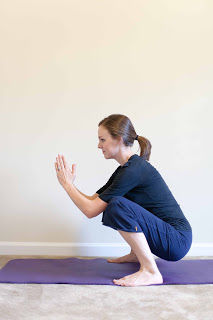
proper squat position
Avoid excessive weight gain
Pregnancy is not the time to adopt a sedentary and unhealthy lifestyle. Stay active and be mindful of your food choices, making sure that you are taking the best care of yourself and your baby as possible. While weight gain is inevitable and necessary during pregnancy, excessive weight gain causes increased pressure and strain on your body which can lead to alignment issues and conditions such as diastasis recti.
Exercise safely
An article found in Women's Health Journal of Physical Therapy found that 90% of non-exercising women had diastasis recti, while only 12.5% of exercising women dealt with the issue. Because exercise is so beneficial during pregnancy, it is incredibly important to know what is and what isn't safe. Both during pregnancy and in the first couple of months following childbirth, avoid traditional abdominal exercises such as crunches, sit-ups, oblique twists, and exercises that put you into a plank position. These types of exercises will put excessive strain on your abdominal muscles that are already being stressed by the pressure of your growing uterus. Exercises that are helpful both during pregnancy and after childbirth to aid in closing a gap include pelvic tilts, transverse abdominal contractions, and opposite limb extensions. Click Here for Exercises

neutral spine

pelvic tilt
Do I have diastasis recti?
You can easily check yourself to determine whether or not you have this abdominal separation. To do so, lie on your back with your knees bent and feet on the floor. With one hand behind your head, lift your head off the ground, rolling your shoulders slightly off the ground. Your abdominal muscles should be activated in this position. With your other hand, place your index finger in the middle of your abdominal muscles. Work your way down from your sternum to your pubic bone in the midline of your body. If you feel a gap between the left and right sides of your abdominal muscles (1, 2, 3, or even 4 finger widths apart), you have diastasis recti. If you do not feel a gap between your muscles, you do not have a separation.

self check for diastisis recti
Correction
It is never too late to close a gap and many cases of diastasis recti can be relieved through simple rehab exercises such as the exercises mentioned above. Being consistent and disciplined in your exercises can really pay off in repairing a separation. Look for prenatal and postnatal fitness classes in your area taught by instructors who are familiar with abdominal rehab work and can help you in both preventing and repairing a separation. In cases of extreme or unrepairable diastasis recti, it may become necessary to see a physical therapist specializing in women's health for a more intense and individualized rehab program.
Photos by LoveHopeFaith Photography


Comments